01The body begins as gift
Creation comes before prohibition.
What did God intend before anything was broken?

Every person bears God-given dignity.
Embodied life is meaningful, not disposable.
Human beings are made for faithful relationship.
Fruitfulness and stewardship serve life.
Genesis does not present the body as an embarrassing shell around the real person. God forms embodied people, blesses them and calls His creation very good.
Sexuality belongs inside that larger human calling. It is never the whole of identity. Desirability, fertility, marital status and sexual history do not determine human worth.
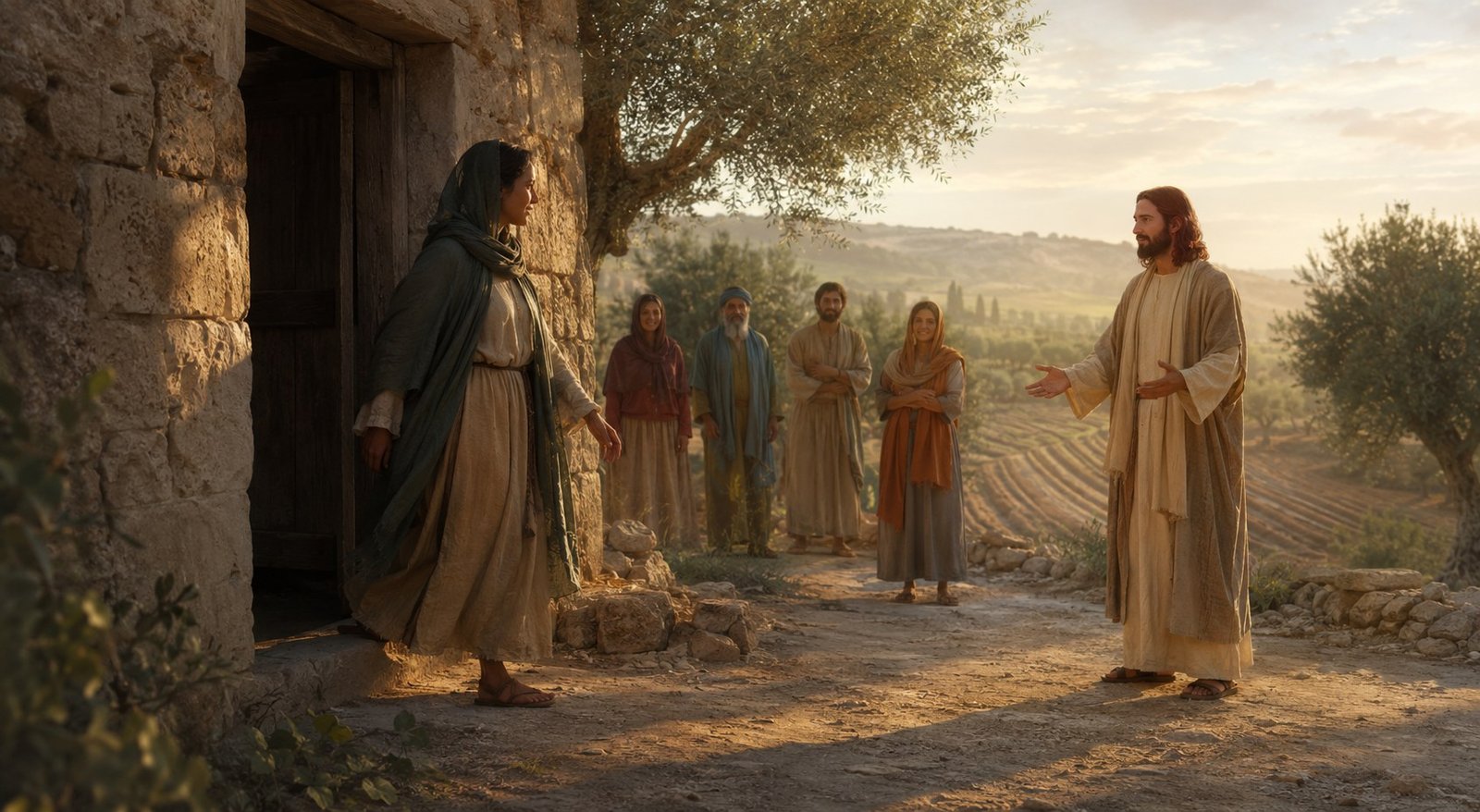
Jesus is the eternal Son through whom creation was made. In His incarnation He truly took human flesh, affirming embodied life while coming to redeem it.
Examine the Scripture
Genesis 1:26–31; 2:7–25 · Psalm 8; 139:13–18 · John 1:1–14 · Colossians 1:15–17; 3:10 · Hebrews 2:14–18
02Equal dignity, meaningful embodiment
Created male and female.
What does Scripture say—and what does it not say?
Both bear God's image.
Sex difference is never a hierarchy of human worth.
The body tells the truth.
Male and female belong to the created pattern Scripture later treats as authoritative.
Marriage is not the measure.
Jesus lived a complete, holy and celibate human life.
Male and female together receive blessing and vocation. The woman is not a lesser image-bearer; the man is not granted permission to dominate. Both stand before their Creator.
Jesus reaffirms the creation pattern of male and female and the one-flesh covenant of marriage, while also honouring singleness and people whose bodies or circumstances differ from ordinary expectations. Eunuchs are not erased from His kingdom.
Scripture does not directly name every modern category of dysphoria, social transition, hormones or surgery. Yet its silence about modern terminology is not silence about the body: Genesis presents humanity as intentionally created male and female, and Jesus receives that created order as God's design. These questions must therefore be approached with patient compassion under the authority of what God has revealed.
Scientific and medical progress can reveal remarkable possibilities. It cannot, by possibility alone, determine what is morally good. Christians receive God's revealed design—not technological capability—as the authority by which those possibilities are evaluated.
Examine the Scripture
Genesis 1:26–28; 2:18–25 · Isaiah 56:3–8 · Matthew 19:4–12 · Acts 8:26–40 · Galatians 3:26–29 · Colossians 3:9–11
03Faithful one-flesh love
Marriage is more than romance.
What does God join together?
A new primary family bond
Covenant fidelity
Bodily and shared life
Mutual honour and care
Christ and His Church
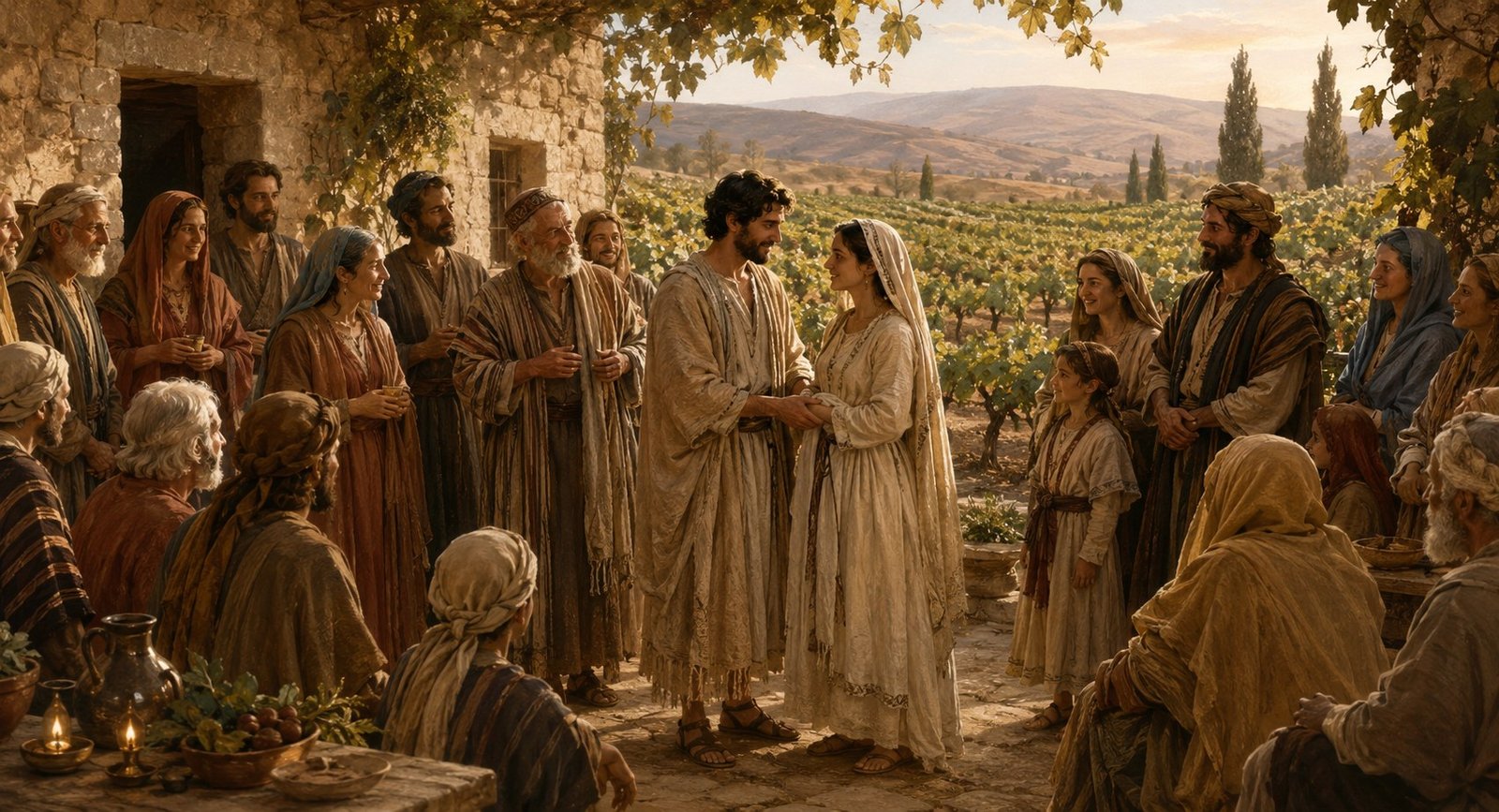
Across Scripture, marriage is public, covenantal and bodily. It joins companionship, shared responsibility, fidelity and—ordinarily—family life. It cannot be reduced to private feeling or sexual access.
The apostles address marriage under the lordship of Christ. Whatever orthodox differences exist over roles, no reading can sanctify cruelty, coercion or domination. Husbands are commanded toward cruciform love; wives and husbands are co-heirs of grace.
Earthly marriage is a real good, but not the final good. It points beyond itself to the faithful covenant love of Jesus for His people.
Examine the Scripture
Genesis 2:24 · Proverbs 2:16–17; 18:22; 31:10–31 · Malachi 2:13–16 · Matthew 19:4–9 · John 2:1–11 · Ephesians 5:21–33 · 1 Peter 3:1–7 · Revelation 19:6–9
04Delight, mutuality and fruitfulness
A gift without embarrassment.
Does the Bible only speak about sexuality negatively?
Scripture celebrates marital desire and tenderness without treating the body as shameful.
Neither spouse becomes property. Honour, understanding and mutual agreement govern intimacy.
Children are gifts, never products or proof of greater faith.
Desire is given a covenant home where trust can deepen.
Proverbs directs desire toward joyful fidelity. Song of Solomon speaks through poetry—longing, admiration, patience and delight—without becoming a technical permission list.
Paul's language of mutual conjugal responsibility is strikingly reciprocal. It cannot justify forced sex. Love, honour, understanding and agreement exclude coercion.
Scripture honours fertility while giving voice to infertility and grief. Modern contraception is not directly discussed; conclusions must therefore be principled, humble and attentive to mutual conscience, health, provision and the value of children.
Examine the Scripture
Proverbs 5:15–23 · Song of Solomon · 1 Corinthians 7:1–7 · Hebrews 13:4 · 1 Peter 3:7 · Psalm 127–128 · Mark 10:13–16
05Shame, betrayal and exploitation
Sin takes a gift and turns it inward.
What happened to God's beautiful design?
Adultery and secrecy betray what fidelity protects.
Lust and pornography convert a neighbour into an object.
Incest, coercion, trafficking and abuse are violence against image-bearers.
Sexual idolatry asks desire to become a god it cannot be.
After rebellion, Genesis describes fear, shame, blame, domination and death. Sexual sin is not uniquely unforgivable, but it often reaches deeply into covenant, body, memory and community.
Scripture names adultery, sexual immorality, prostitution, incest, same-sex intercourse, bestiality, coercion and exploitative desire as outside God's design. It also condemns hypocrisy, selective judgment and the misuse of power.
A victim is not made morally guilty by another person's violence. Protection, lawful reporting, medical care and trauma-informed help are not failures of faith.
Examine the Scripture
Genesis 3 · Leviticus 18–20 · 2 Samuel 11–13 · Proverbs 5–7 · Matthew 5:27–30 · Romans 1:18–2:4 · 1 Corinthians 5–6 · Ephesians 5:1–14
06Jesus sees the whole person
Grace never needs to hide the truth.
How does Jesus meet people marked by sexual history?
He crosses the distance.
Jesus receives people whom respectable society labels and avoids.
He names what is real.
Compassion does not require Him to redefine sin or conceal the heart.
He offers Himself.
Sexual history is not allowed to become the whole identity of a person.
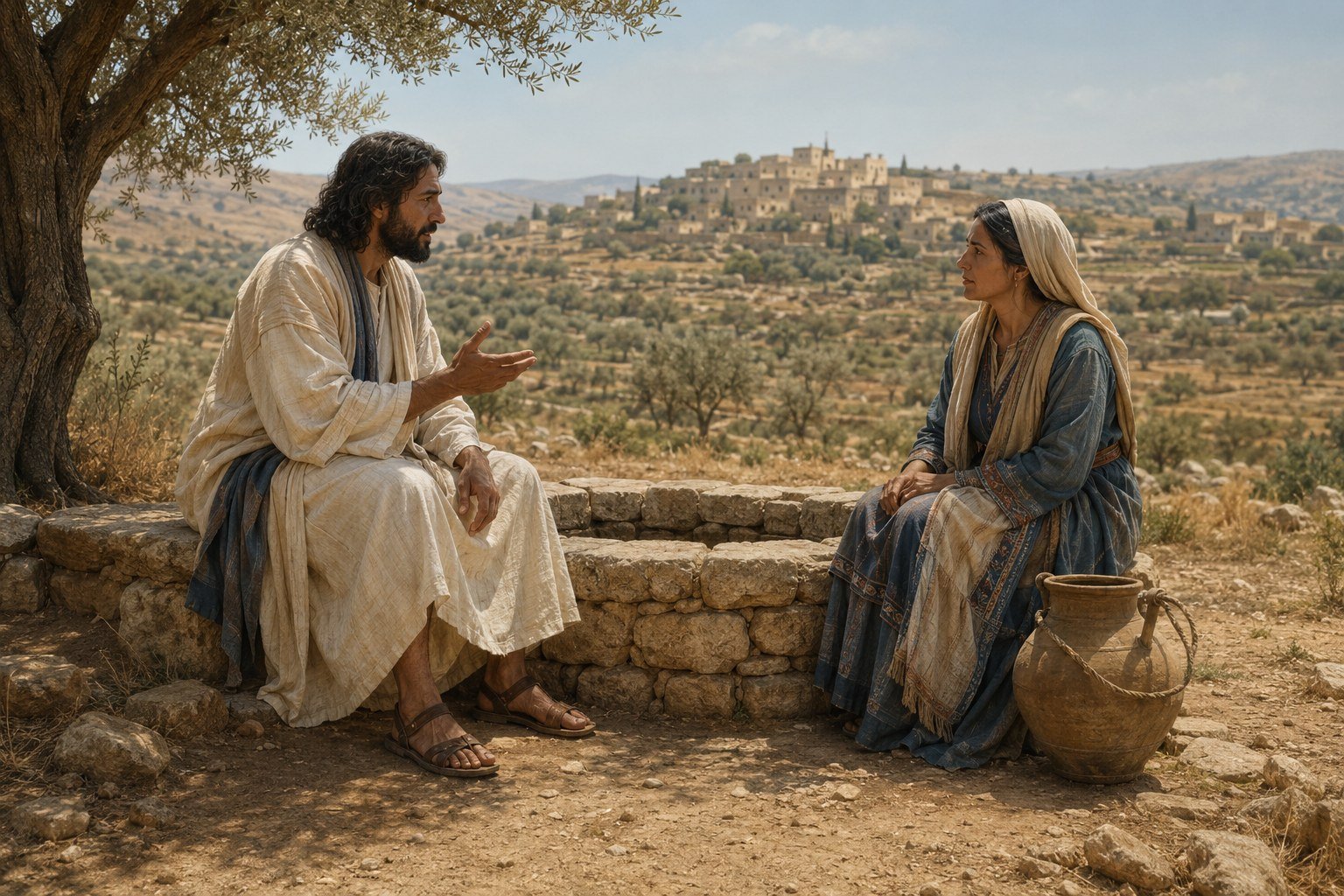
Jesus speaks truthfully about the Samaritan woman's relationships, yet He refuses contempt and turns the conversation toward living water, worship and the revelation of Himself.
His genealogy contains morally complicated histories and public suspicion. He entered a real human story to save His people from their sins—not to preserve the appearance of a spotless human family.
The Great Physician tells the truth about the condition because He intends to heal. He welcomes sinners without redefining sin and restores people without humiliating them.
Examine the Scripture
Matthew 1:1–17; 9:9–13; 21:28–32 · Luke 7:36–50; 15:1–32 · John 4:4–42 · 1 Corinthians 6:9–11 · Titus 3:3–7
07The body belongs to Christ
Holiness protects love.
Is sexual holiness merely saying no?
Belonging comes first
The body becomes holy ground
Attention and habits change
Love refuses to use
The body is destined for resurrection
Paul does not ground sexual holiness in disgust for the body. He grounds it in resurrection, union with Christ, redemption and the indwelling Spirit. The body matters because it belongs to the Lord.
Temptation is not identical to sin. Desire becomes morally disordered when it is welcomed into lust, fantasy, objectification or action outside God's design. Every disciple—married or single—learns chastity appropriate to their calling.
Holiness is positive formation: truthful thought, faithful friendship, wise limits, service, gratitude and self-control. It is learning to love another person as an image-bearer rather than an instrument.
Examine the Scripture
Matthew 5:27–30 · Romans 6; 8:1–17; 12:1–2 · 1 Corinthians 6:12–20; 10:13 · Galatians 5:16–25 · 1 Thessalonians 4:1–8 · Colossians 3:1–11
08Clarity without cruelty
What is written—and what is not?
How should difficult modern questions be approached?
Begin with creation.
The positive pattern gives context to later boundaries.
Name explicit teaching.
Do not soften what Scripture directly affirms or forbids.
Admit explicit silence.
Do not claim a verse directly answers a modern practice when it does not.
See the person.
No question removes someone's dignity or places them beyond grace.
Is sex before marriage sinful?+
Scripture consistently locates sexual union within marriage and calls sex outside that covenant porneia. No single verse uses the modern phrase “premarital sex,” but the canonical pattern and apostolic commands make the application strong. See Genesis 2:24; 1 Corinthians 6:12–20; 7:2, 8–9; 1 Thessalonians 4:1–8.
What about same-sex relationships?+
Scripture gives every person equal dignity and explicitly places same-sex sexual acts outside the male-female covenant pattern affirmed by Jesus. Historic orthodox interpretation reads Leviticus 18:22; Romans 1:26–27 and 1 Corinthians 6:9–11 this way. The texts never permit mockery, violence or selective self-righteousness.
What about transgender questions?+
The Bible does not explicitly use the modern language of gender dysphoria, social transition, hormones or surgery. It does explicitly present humanity as intentionally created male and female, treats the body as part of God's good creation, and records Jesus affirming that created pattern. Modern medical capability does not establish moral approval; it must be evaluated under God's revealed design. People experiencing dysphoria must nevertheless be listened to carefully, treated with dignity and never reduced to political symbols. See Genesis 1:27; 2:24; Matthew 19:4–6.
Is masturbation explicitly addressed?+
No. Scripture does not explicitly name masturbation. Conclusions must arise from principles concerning lust, fantasy, self-control, conscience, mastery and love. Onan's sin in Genesis 38 is exploitation and refusal of covenant duty, not a direct ruling on masturbation.
Can God forgive sexual sin?+
Yes. Forgiveness does not call harm harmless or remove every consequence, but no consensual sexual sin places a repentant person beyond Christ's cleansing. “Such were some of you” is followed by washing, sanctification and justification in Jesus' name.
Explore the governing passages
Genesis 1–2 · Matthew 5:27–30; 19:4–12 · Romans 1:18–2:4 · 1 Corinthians 6–7 · 1 Thessalonians 4:1–8 · James 1:13–18 · 1 John 1:5–2:2
09A new Lord and a truthful community
Grace opens a path into the light.
What does restoration look like after failure or compulsion?
Confession breaks secrecy
Repentance changes direction
Wise barriers embody the choice
Safe community and qualified care
The Spirit forms new attention and love
Scripture offers no technique that instantly removes every temptation. It offers a new Lord, union with His death and resurrection, practical flight from sin, renewed thought, confession, community and hope.
Practical barriers are not substitutes for grace. Device restrictions, changed routines, accountability, therapy and leaving an unsafe setting can become embodied forms of repentance and wisdom.
Where another person has been harmed, confession to God does not replace protection, lawful reporting, restitution or the long rebuilding of trust. Grace never demands that a victim restore access.
Condemnation says, “Hide.” Grace says, “Come into the light—and walk with Christ from here.”
Examine the Scripture
Psalm 32; 51 · Proverbs 28:13 · Matthew 5:29–30 · Romans 6:1–14; 8:1–17; 13:14 · 1 Corinthians 6:12–20; 10:13 · James 5:13–20 · 1 John 1:5–2:2
10Covenant love fulfilled
The story ends with a wedding feast.
What is sexual holiness finally pointing toward?
The body is gift
Faithful love takes form
Sin distorts desire
Grace and truth meet
Covenant love fulfilled
Marriage is honoured, but it is not ultimate. Jesus teaches that resurrection life cannot be reduced to the arrangements of this age. The deepest human future is not sexual fulfilment but communion with God.
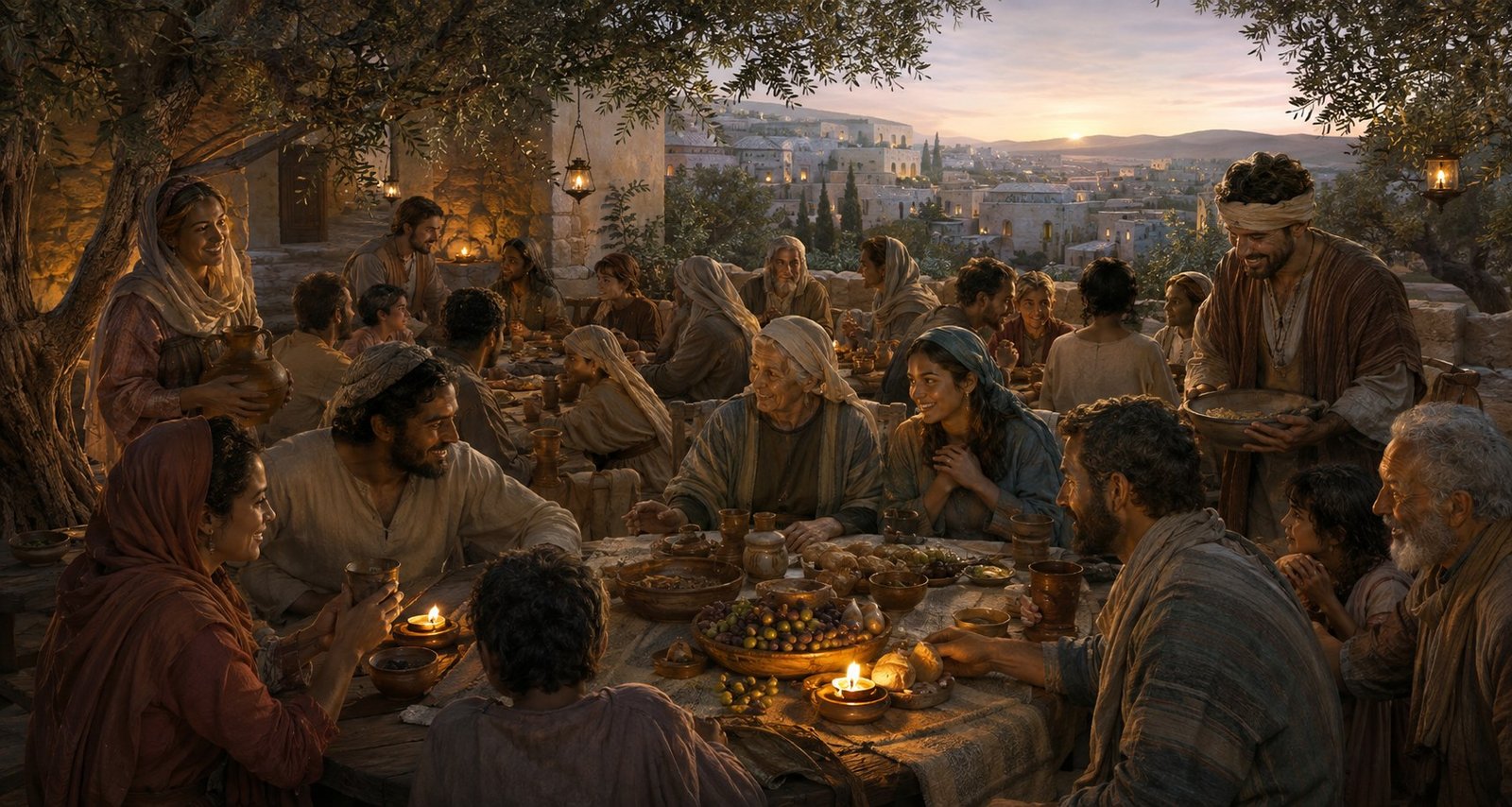
Revelation contrasts Babylon's exploitation with the Lamb's faithful bride. The biblical story moves from a garden to a city, from a first marriage to the wedding feast of Christ and His redeemed people.
No sexual history places a repentant person beyond that invitation. The final identity of Christ's people is not “failed,” “desirable,” “married,” “single” or “pure enough.” It is washed, loved and welcomed by the Lamb.
Examine the Scripture
Matthew 22:23–33 · Ephesians 5:21–33 · 1 Corinthians 6:9–11 · Revelation 19:6–9; 21:1–4, 9–14; 22:1–5