01The life for which we were made
Before rescue, there was a gift.
What has humanity lost?
Created to reflect God’s character.
Known by God without fear or shame.
Entrusted with a living creation.
Made for embodied fellowship, not death.
Genesis does not introduce humanity as an accident trying to invent meaning. Men and women bear God’s image. They receive life, relationship, work and a world declared good.
This is why salvation is larger than forgiveness alone. God does forgive guilt—but He also restores relationship, renews the heart, forms a holy people and promises resurrection life in a renewed creation.
The gospel answers a wound as old as Eden. To understand the rescue, we must first look honestly at the rupture.
Examine the Scripture
Genesis 1:26–31; 2:7–25 · Colossians 1:15–20 · Romans 8:18–25 · Revelation 21:1–22:5
02Sin, exile and death
We did not merely lose our way.
Why can we not repair ourselves?
Sin is more than imperfection or ignorance. Scripture names it as unbelief, idolatry, lawlessness and refusal of God’s rightful rule. It wounds others because it first turns from the One who is good.
We remain responsible, yet Scripture also calls us enslaved, blind and spiritually dead. Better habits cannot erase guilt. Religious activity cannot create a new heart. A dying humanity cannot give itself resurrection life.
The holiness of God removes every basis for boasting; the mercy of God removes every basis for despair. The Judge is already seeking the lost.
Our problem is deeper than a lack of information. We need forgiveness, freedom, a new heart—and life from the dead.
Examine the Scripture
Genesis 3 · Psalm 14; 51 · Isaiah 6:1–8 · Mark 7:14–23 · Romans 1:18–3:23; 5:12–21; 6:23 · Ephesians 2:1–10
03A rescue God would provide
Grace spoke first.
How did God prepare the world for Jesus?

God’s answer did not begin at Bethlehem. Within Eden’s judgment came a promise. Abraham was counted righteous by trusting God. At Passover, rescue came before Sinai. Sacrifice taught substitution and covenant access while revealing its own incompleteness.
The prophets looked toward a new covenant: sin forgiven, hearts renewed, the Spirit given. Isaiah described a servant wounded for others and invited the thirsty to receive without price.
These were not separate schemes of salvation. They were tributaries moving toward one person.
Examine the Scripture
Genesis 3:15; 12:1–3; 15:1–6 · Exodus 12 · Leviticus 16–17 · Jeremiah 31:31–34 · Ezekiel 36:22–28 · Isaiah 52:7–53:12; 55:1–7 · Galatians 3:6–16
04The promise becomes a person
God did not send an idea.
Who is Jesus—and why can only He save?
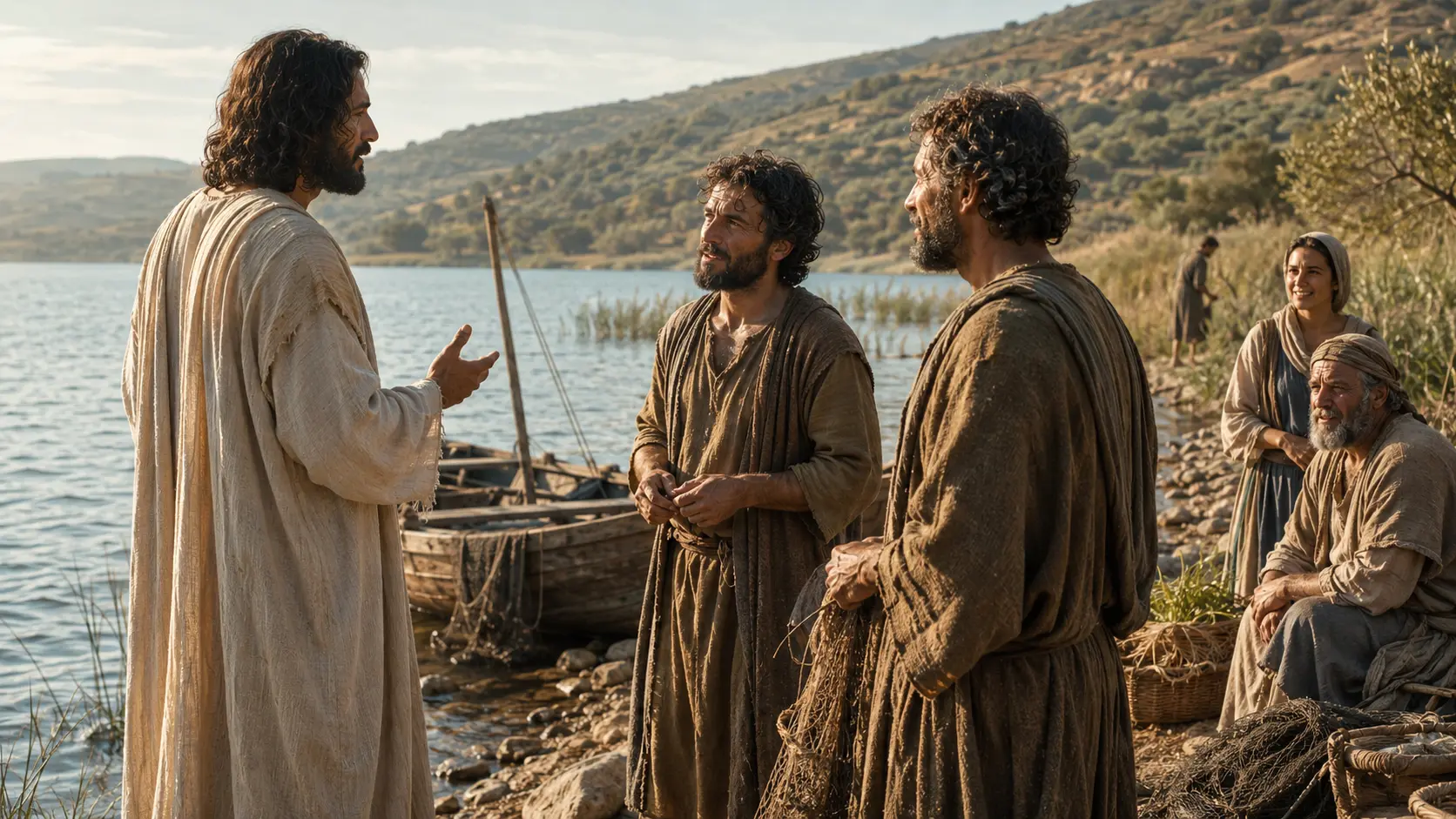
He reveals the Father, forgives sins and receives worship.
He enters our history, obeys where Adam failed and truly dies.
He fulfils Israel’s promises as Servant, Son of David and King.
No other person bears sin, conquers death and brings us to God.
A merely inspiring teacher cannot carry the world’s sin or defeat death. Scripture presents Jesus as the eternal Word made flesh: fully divine, fully human, without sin and full of grace and truth.
He announced God’s kingdom, welcomed sinners, exposed self-righteousness, healed the broken and called people to follow Him. Every road of promise was converging on His obedience.
The exclusivity of Christ is not the protection of a religious tribe. It is the claim that God Himself has provided the one rescue no human being could accomplish.
Examine the Scripture
Isaiah 7:14; 9:1–7 · John 1:1–18; 8:58; 14:6–11 · Colossians 1:15–20 · Philippians 2:5–11 · Hebrews 1–2 · Acts 4:12 · 1 Timothy 2:5–6
05The heart of the rescue
The King gave Himself.
What happened at the Cross?
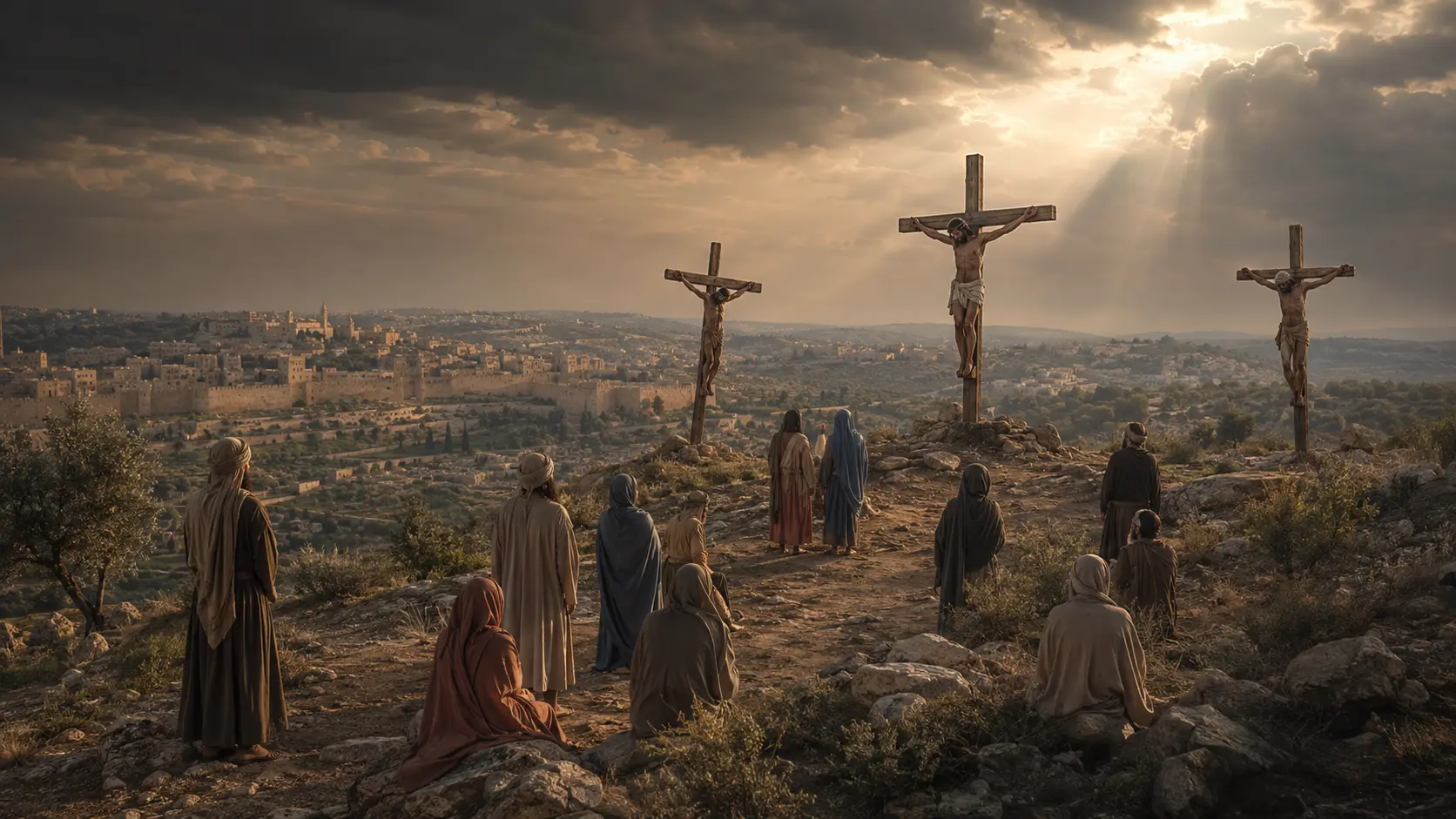
Christ bore sins in our place.
His life purchased freedom for slaves.
Enemies are brought near to God.
The powers are disarmed through apparent defeat.
Forgiveness and the Spirit are secured.
Jesus was not trapped by events. He laid down His life willingly. At the cross, God’s holiness and mercy do not cancel one another. Sin is judged; sinners are loved. The innocent One bears the curse of the guilty.
Scripture uses more than one image because the achievement is too great for one word. Sacrifice, ransom, justification, reconciliation, cleansing and victory belong together. None makes the others unnecessary.
“It is finished” does not mean every person is saved apart from Christ. It means His saving work is sufficient, complete and never to be repeated. We do not add to it. We receive Him.
The cross tells the truth about our sin—and a greater truth about the love of God.
Examine the Scripture
Psalm 22 · Isaiah 52:13–53:12 · Mark 10:45 · John 10:11–18; 19:16–30 · Romans 3:21–26; 5:6–11 · 2 Corinthians 5:14–21 · Galatians 3:10–14 · Colossians 2:13–15 · Hebrews 9:11–10:18 · 1 Peter 2:21–25
06The beginning of new creation
The tomb was empty.
What changed when Jesus rose?
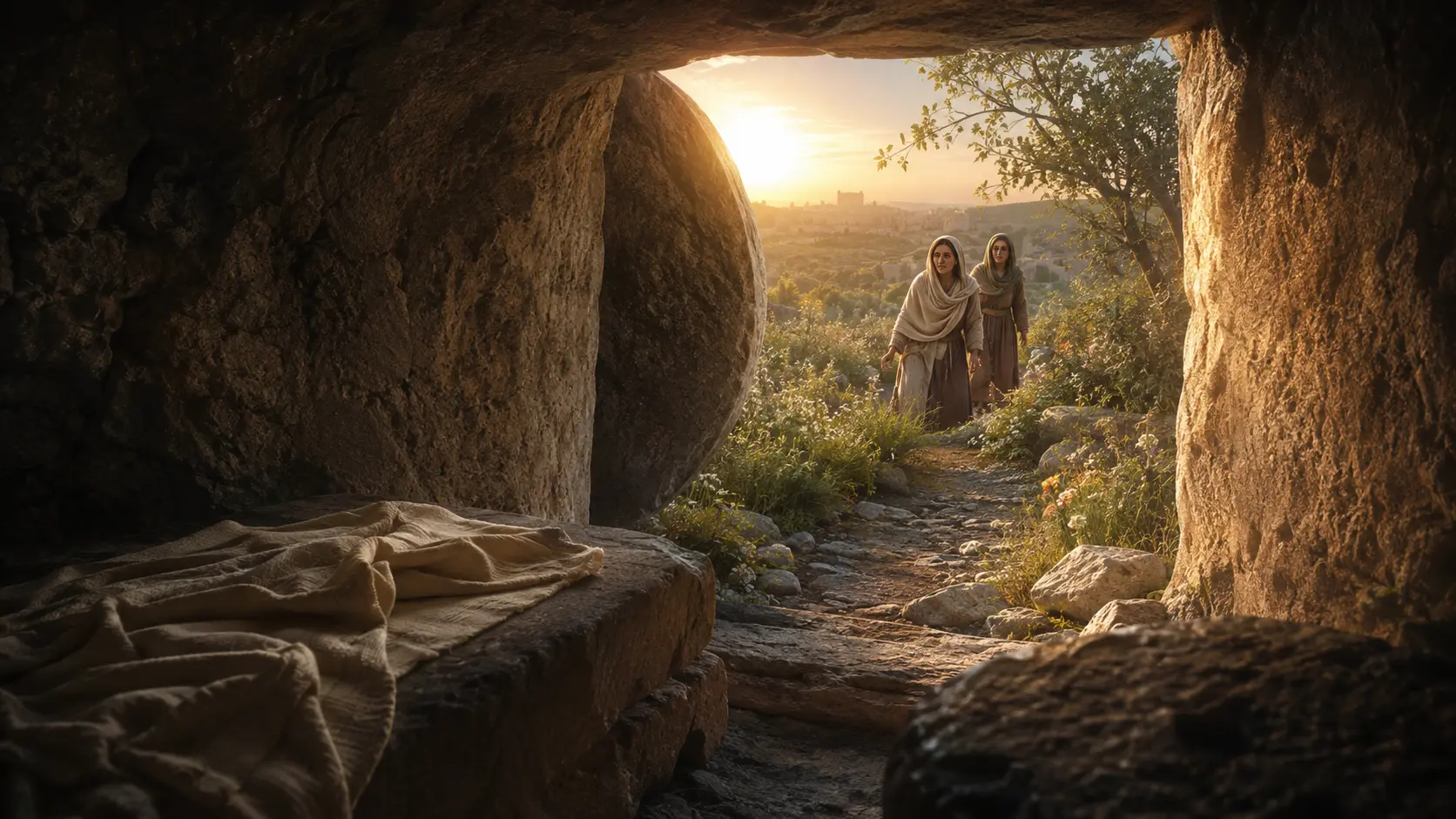
The crucified One is Lord.
The enemy does not have the final word.
God has accepted Christ’s work.
His risen life becomes the pattern and promise of ours.
The resurrection is not an inspiring ending attached to the gospel. If Christ has not been raised, faith is futile and sin remains. But God raised Him bodily from the dead.
The disciples did not proclaim a memory living on in their hearts. They testified that the crucified Jesus appeared, spoke, ate and was seen. His ascension did not remove Him from the story; it enthroned the risen Saviour who intercedes for His people.
Christian hope begins here. The future is not the survival of a disembodied soul but resurrection with Christ in a creation delivered from decay.
Examine the Scripture
Luke 24 · John 20–21 · Acts 1:1–11; 2:22–36 · Romans 4:23–25; 6:1–11 · 1 Corinthians 15 · Hebrews 7:23–28 · 1 Peter 1:3–9
07Grace received
How do I come to Christ?
What must a person believe, receive and continue in?
God’s gift
Salvation originates in God’s undeserved favour and life-giving power.
Open hands
Faith relies on Jesus rather than presenting personal goodness as payment.
Living fruit
Good works do not buy acceptance; they reveal the life grace is producing.
Saving faith knows the gospel, receives it as true and personally relies on Jesus. Repentance is its inseparable turning: away from sin and self-rule, toward God. Neither is a work that makes God indebted.
To come to Christ is not to recite a perfect formula. It is to entrust yourself to the crucified and risen Lord. Confession gives voice to that allegiance; baptism ordinarily marks entry into His visible people.
Christians differ over how election, calling, regeneration, faith and baptism relate in logical order. Scripture is explicit about the centre: salvation is by grace, through faith, in Christ—not a result of works, so no one may boast.
Examine the Scripture
Mark 1:14–15 · John 1:12–13; 3:1–21; 6:35–40 · Acts 2:37–41; 16:25–34 · Romans 3:21–31; 10:8–13 · Ephesians 2:1–10 · Titus 3:3–7
08The Spirit makes a people alive
Grace changes what it receives.
What does salvation become in a human life?
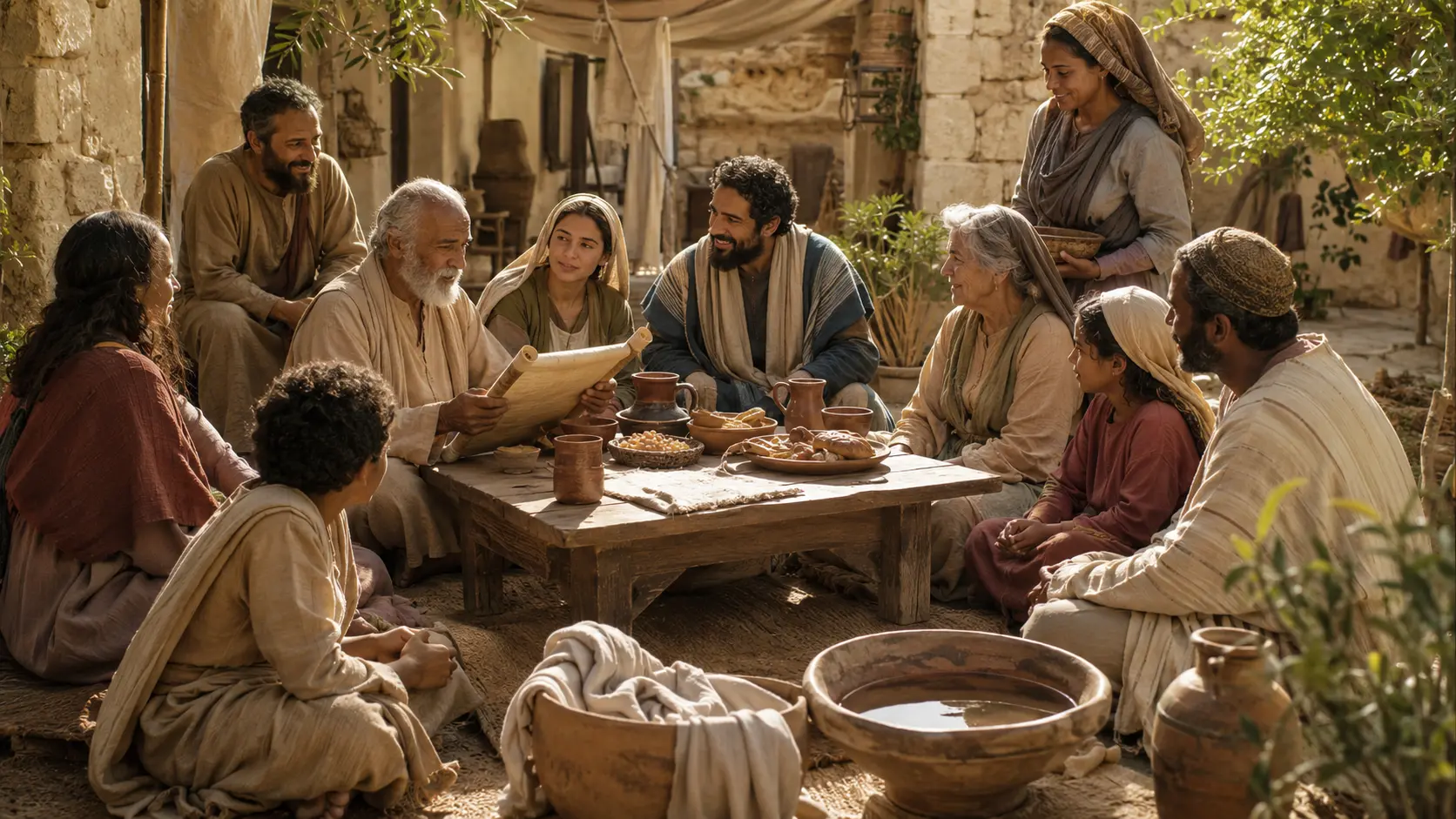
Remain in Jesus, His word and His love.
Depend on the Spirit rather than the flesh.
Love, joy, peace and self-control begin to grow.
Mercy received becomes mercy extended.
Prepared works become the expression—not the price—of grace.
God reshapes His people into the likeness of Christ.
Justification is God’s gracious verdict; sanctification is His ongoing work of renewal. They must be distinguished, but Scripture never imagines that the grace which pardons is content to leave people enslaved.
Believers still struggle. Peter’s denial shows that grievous failure can be followed by repentance and restoration. The presence of conflict is not proof that God has abandoned a person. What matters is where the struggler turns.
Obedience does not compete with faith. It is faith learning to walk. Forgiveness does not deny abuse or erase wise boundaries. It refuses revenge because Christ’s mercy has become the pattern of the new life.
Examine the Scripture
John 15:1–17 · Romans 6–8; 12 · Galatians 5:13–26 · Ephesians 2:8–10; 4:17–5:21 · Colossians 3:1–17 · 1 John 2–4
09Assurance without presumption
Remain in Christ.
Can I know that I am saved?
God keeps
Jesus gives eternal life to His sheep. Nothing can separate His people from His love. The Spirit seals them for the day of redemption.
Believers must abide
Scripture commands Christians to hold fast and warns solemnly against hardened, deliberate departure from Christ.
Preserved through persevering faith
God keeps His people by sustaining the living faith through which they continue in Christ; warnings are among His means of keeping them awake.
Biblical assurance rests first on Christ’s finished work and trustworthy promise, inwardly on the Spirit’s witness, and evidentially on present faith, repentance and love. Fruit confirms assurance; it does not replace Jesus.
Orthodox Christians differ. One view holds that every truly regenerate believer will certainly persevere and that final apostasy reveals an unregenerate profession. Another holds that genuine believers are warned that deliberate final apostasy can forfeit salvation.
The Library’s reasoned synthesis refuses both careless “once saved, always saved” and anxious moral bookkeeping. Ordinary doubt, temptation or repentant failure is not apostasy. Warning passages awaken faith; assurance passages strengthen it.
Do not place your hope in a prayer you once said—or in a flawless record you could never keep. Place your hope in the living Christ, and remain with Him.
Examine the assurance and warning passages
John 6:35–40; 10:27–30; 15:1–17 · Romans 8:28–39 · Philippians 1:6 · Hebrews 3:6–14; 6:4–12; 10:19–39 · 1 Peter 1:3–9 · 2 Peter 2 · 1 John 2:18–28; 5:11–13 · Jude 20–25
10Resurrection and new creation
Grace will bring us home.
What is salvation finally for?
Life with God
Communion lost
Rescue accomplished
New life begun
God with humanity
Salvation will not remain incomplete. Jesus will raise His people, judge with justice, destroy death and renew creation. Every quiet act of faith now belongs to that future.
This hope does not make earthly life disposable. Resurrection dignifies bodies; new creation dignifies faithful work; the Lamb’s throne gives history a destination.
The Bible’s final vision is not humanity climbing to God. It is God dwelling with His people, the river of life flowing, the curse removed and the face of Jesus seen.
Examine the Scripture
John 5:24–29; 14:1–6 · Romans 8:18–30 · 1 Corinthians 15:20–28, 35–58 · Philippians 3:20–21 · 1 Thessalonians 4:13–18 · Revelation 21:1–22:5