01Creation
In the beginning, God.
What were we made for?

The Bible opens with God, not with an argument for God. He gives form to what is unformed, fills what is empty and calls His work good. The world is neither accidental nor divine; it is God’s creation.
Human beings—male and female—bear His image. They are given dignity, vocation and a home with Him. Eden is sacred space: humanity at peace with God, with one another and with the world entrusted to their care.
Other ancient creation stories often describe conflict among rival gods. Genesis quietly tells a different story: one sovereign God speaks, creation answers, and human life is crowned with meaning.
Follow the Scripture trail
Genesis 1–2 · Psalm 8 · John 1:1–3 · Colossians 1:15–17
02Rebellion and separation
The trust that was broken.
How can the separation be healed?
The serpent questions God’s word and goodness. Adam and Eve choose autonomy—wisdom on their own terms. Shame, blame, pain, toil and death enter human experience, and the first people leave the garden.
Genesis does not ask us to speculate about the variety of fruit. Its concern is the human decision beneath it: moral independence from God. The fracture quickly spreads from forbidden fruit to murder, violence and corrupt societies. The Bible’s diagnosis eventually includes us all.
Judgment is not God’s final word. Within the sentence of Genesis 3 stands a promise: the offspring of the woman will crush the serpent, though He Himself will be wounded.
Follow the Scripture trail
Genesis 3–4 · Romans 3:23 · Romans 5:12–21 · Ephesians 1:3–10
03The flood and Babel
A new beginning. The same heart.
Will God abandon humanity?
Judgment and refuge
Violence fills the earth, yet Noah finds favour. God preserves a family through the waters and places the rainbow as the sign of His covenant with creation.
Pride and scattering
The flood does not remove sin from the human heart. At Babel, humanity seeks a name apart from God. Languages divide and the nations scatter.
The Bible never mistakes survival for transformation. Humanity needs more than another beginning; it needs a new heart.
Follow the Scripture trail
Genesis 6–11 · 1 Peter 3:18–22 · 2 Peter 2:4–9 · Acts 2:1–12
04Abraham and the promise
Go to the land I will show you.
Through whom will rescue come?
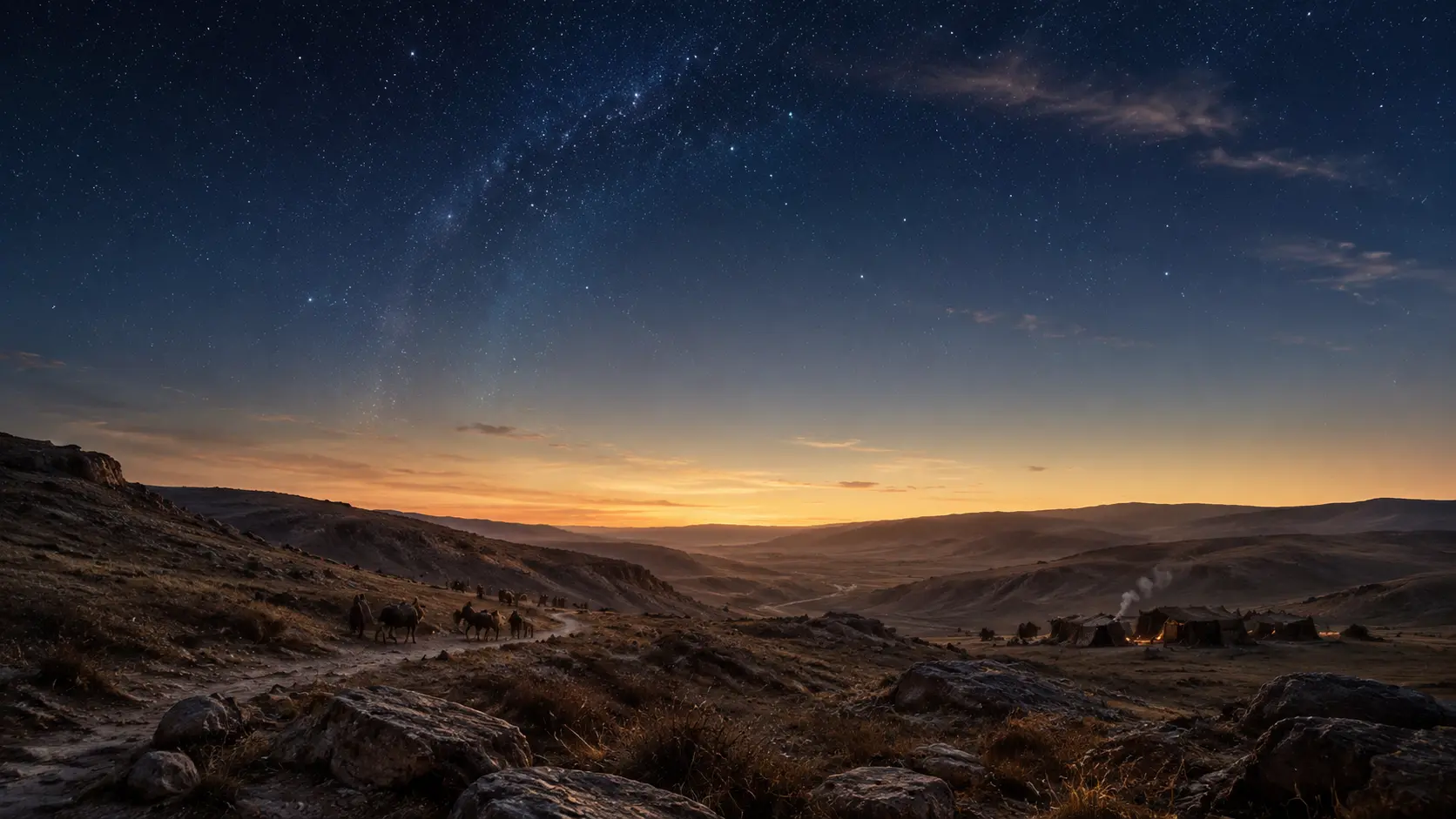
God calls Abraham from Mesopotamia and promises land, descendants and blessing for every family of the earth. Abraham believes God, though his life also reveals impatience and weakness. The promise depends finally on God’s faithfulness.
Through Isaac comes Jacob, named Israel, and through his twelve sons the tribes. Judah receives a royal promise. Joseph is rejected, sold and brought low—yet God raises him to preserve the very brothers who betrayed him.
On Moriah, God provides a ram in Isaac’s place. The beloved son is preserved through a substitute. The story begins to teach the language of sacrifice before its final meaning is known.
Follow the Scripture trail
Genesis 12:1–3 · Genesis 15, 17, 21–22, 28, 32, 49 · Romans 4 · Galatians 3
05Exodus, Passover and covenant
A people rescued before they were instructed.
Can law make sinful hearts new?
God hears the enslaved, reveals His name to Moses and confronts Pharaoh. At Passover, households shelter under the lamb’s blood. Israel crosses the sea and sings on the far shore. Before the people receive a law code, they receive a rescue. Grace comes before instruction.
The Law shapes worship, justice, purity and communal faithfulness. It is not a ladder out of Egypt; it is covenant instruction for people already delivered. Yet it exposes sin and cannot by itself transform the heart.
The tabernacle stands at the centre of the camp. Sacrifice, priesthood and the Day of Atonement hold together God’s holiness, the cost of cleansing and His desire to dwell among His people.
Follow the Scripture trail
Exodus 1–24 · Leviticus 16 · Deuteronomy 6 · Galatians 3:19–25 · Hebrews 9–10
06Land, judges and kings
Every deliverer left the rescue unfinished.
Where is the faithful King?
The cycle begins again—often more deeply.
Joshua leads Israel into the land, but incomplete obedience leaves enduring conflict. Judges records a repeated descent into idolatry, oppression, crying out and rescue. The deliverers save for a time; none changes the heart.
In the shadows of that age, Ruth’s ordinary loyalty enters the line of redemption. Israel later asks for a king. Saul fails through disobedience. David trusts God and receives the promise of an enduring house, yet even he falls grievously. Solomon begins in wisdom and ends by preparing the kingdom’s division.
Follow the Scripture trail
Joshua · Judges 2 · Ruth · 1 Samuel 8–16 · 2 Samuel 7 · 1 Kings 1–11 · Psalms 2 and 89
07Exile, return and prophetic hope
Home again—but not yet restored.
When will God fulfil His promises?
The kingdom fractures. Assyria conquers Israel; Babylon destroys Jerusalem and the temple and carries Judah into exile. The grief is historical and spiritual: the people lose land, throne and sanctuary because covenant unfaithfulness has reached its bitter harvest.
Persia later conquers Babylon, and Cyrus permits return and rebuilding. Yet foreign rule continues, David’s throne remains empty and the deepest promises still wait.
Into that waiting, the prophets announce a virgin’s son called Immanuel, a suffering servant, a righteous Branch, a new covenant, a cleansed people, a new heart and the Spirit within.
Follow the Scripture trail
1 Kings 12–2 Kings 25 · Ezra–Nehemiah · Isaiah 9, 11, 52–53 · Jeremiah 31 · Ezekiel 36–37 · Micah 5:2
08Jesus Christ
The centre of the story.
Will we receive the King and His grace?
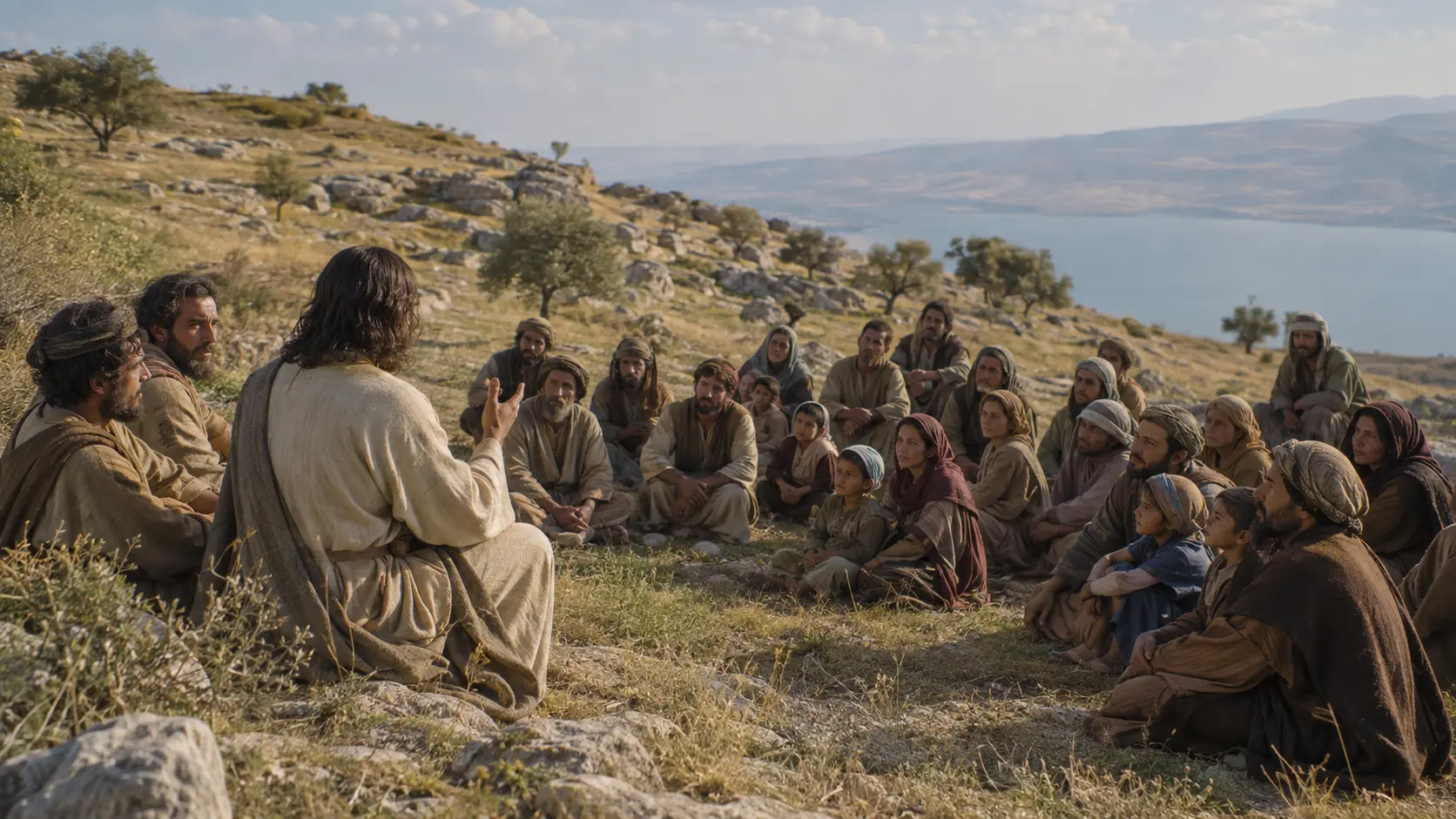
The Creator enters His creation.
Jesus of Nazareth is fully God and fully man—the eternal Word made flesh, Son of God and Son of Man. He enters Roman-ruled Judea alive with expectation. Many want a king who will break foreign rule. Jesus announces a kingdom, but His throne will be a cross before it is seen as a crown.
He welcomes outsiders, forgives sins, heals the sick, commands creation and raises the dead. His signs do more than display power. They reveal the arrival of God’s restoring rule and the identity of the King.
The promised Messiah who fulfils Israel’s Scriptures.
The suffering Son of Man who gives His life.
The compassionate Saviour who welcomes outsiders.
The eternal Word made flesh, revealed through signs.
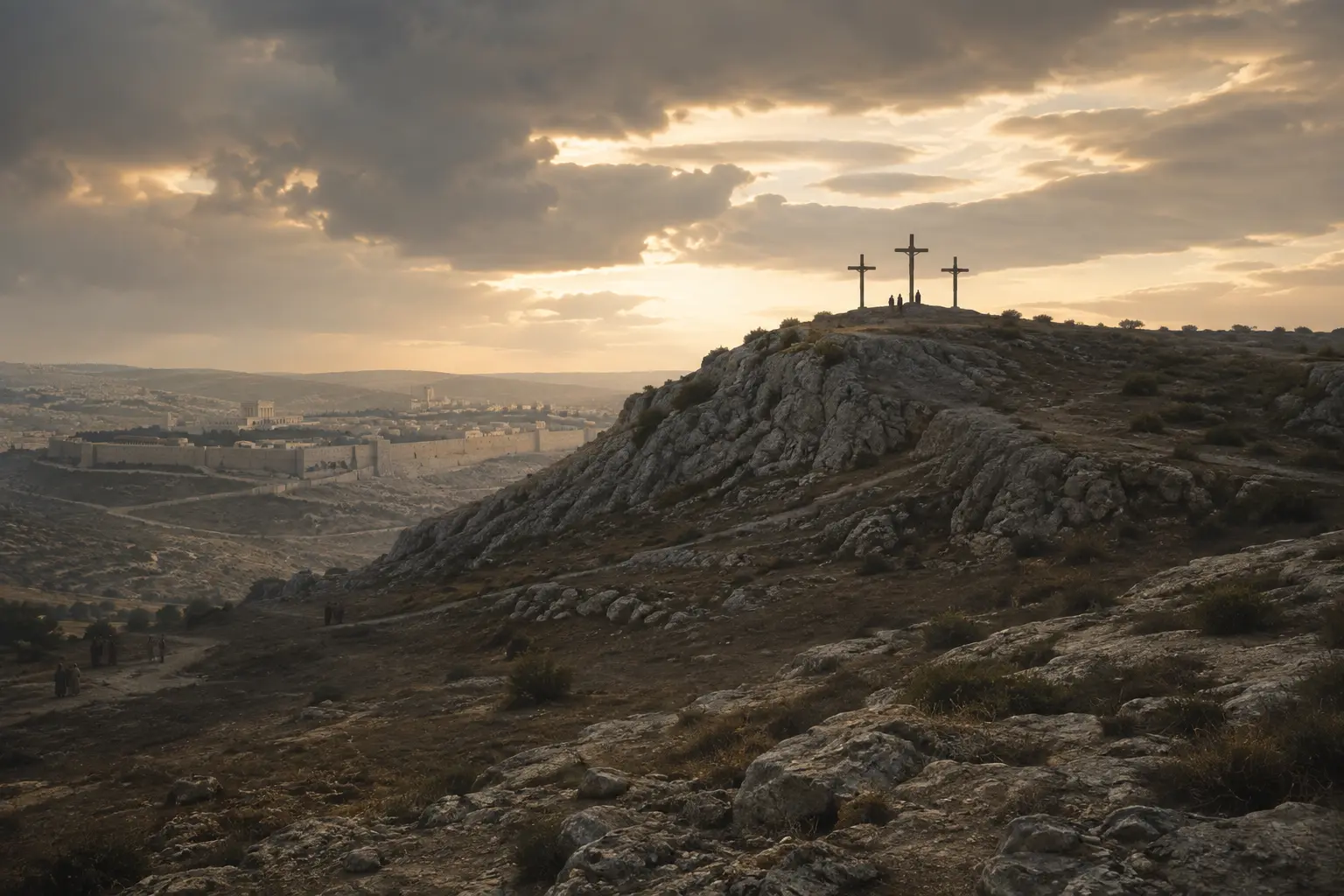
The sinless Lamb bears sin and reconciles sinners to God. Salvation is not earned by good works; it is received through faith in Him.
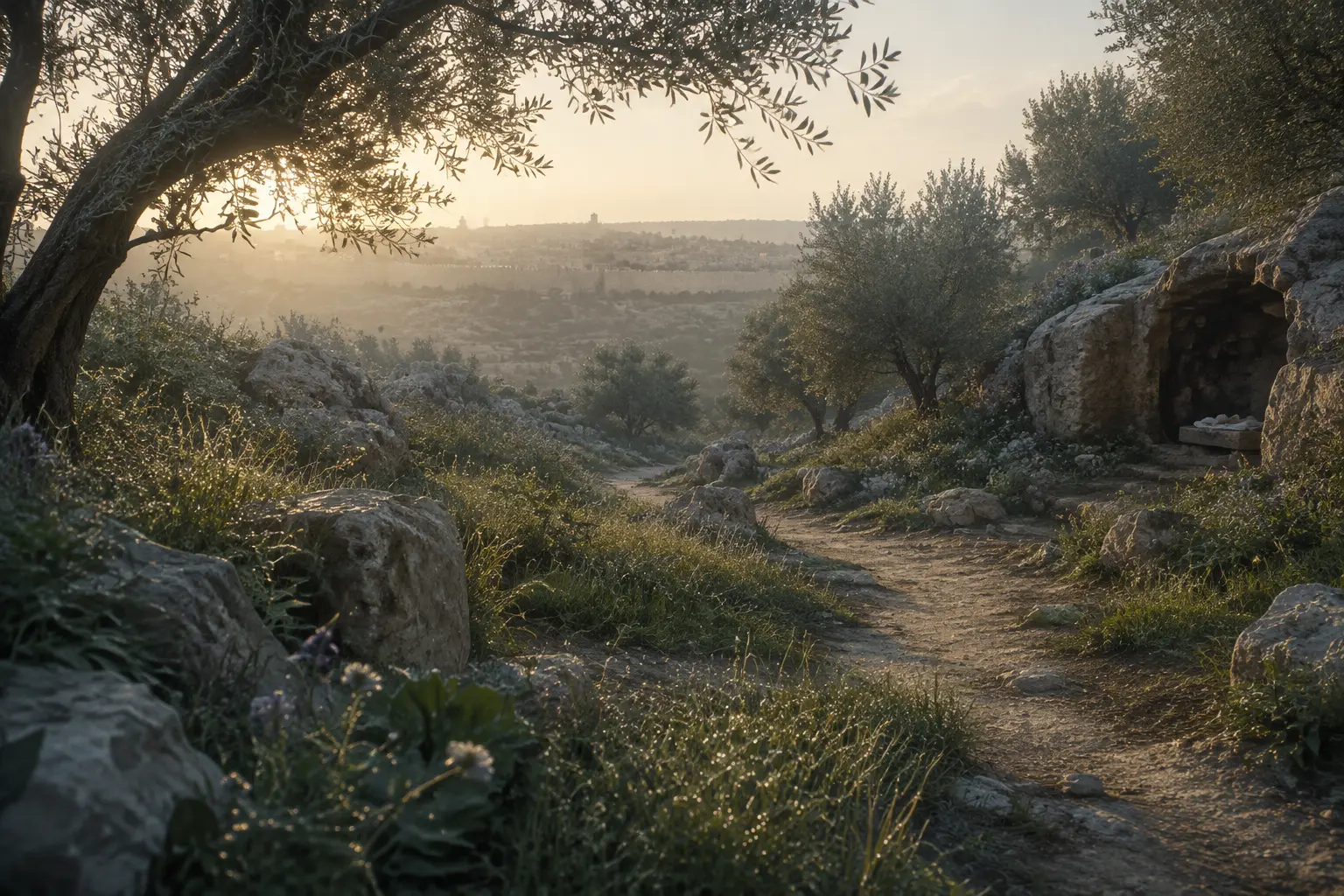
On the third day Jesus rises bodily. Death is defeated, Jesus is Lord and new creation has begun.
Promised offspring. Son of Abraham. True Israel. Passover Lamb. Greater Moses. Son of David. Suffering servant. Temple. High Priest. Risen King. The Bible’s many roads meet in Jesus.
Follow the Scripture trail
Matthew–John · John 1:1–18 · Mark 10:45 · 1 Corinthians 15:1–8 · Colossians 1:15–20 · Hebrews 1:1–4
09The new covenant
A people gathered by grace.
How should rescued people live?
Jesus fulfils the Law and establishes the new covenant in His blood. Believers are justified by grace through faith. Obedience is not the price of adoption; it is the grateful fruit of a renewed heart.
At Pentecost, the Holy Spirit fills Jesus’ followers. The good news moves from Jerusalem toward the nations. Babel is answered without human difference being erased: each hears the mighty works of God in a familiar language.
The apostolic letters bring the gospel into real cities, households, conflicts and friendships. The Spirit joins believers to Christ and forms a people marked by truth, holiness, justice, mercy and love.
Follow the Scripture trail
Acts 1–2 · Matthew 28:18–20 · Jeremiah 31:31–34 · Romans 3–8 · Galatians 5:13–26 · Ephesians 2:8–22
10The return of the King
Behold, I am making all things new.
Are we ready for the story’s completion?
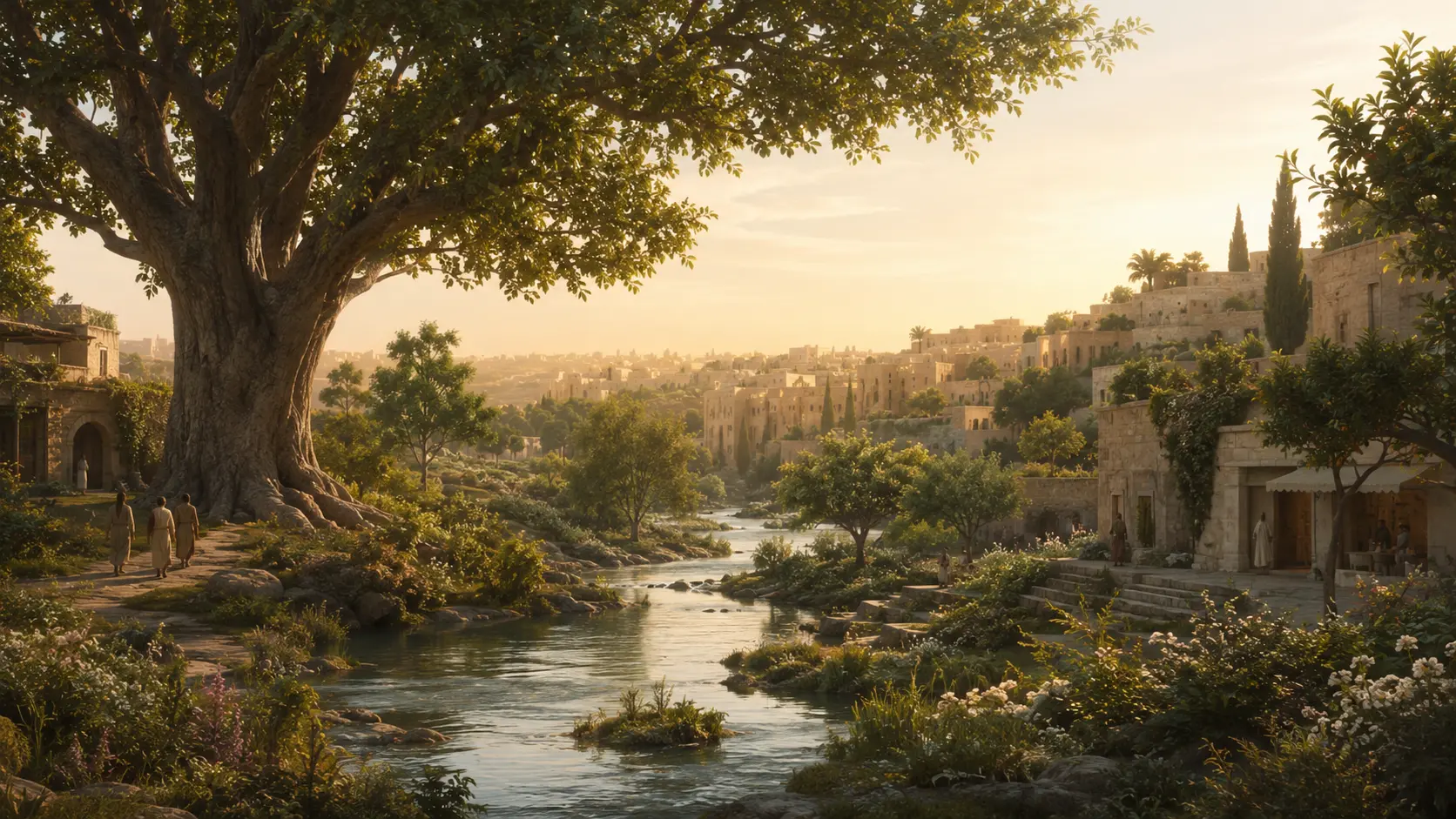
The same Jesus who ascended will return. Christian hope is not escape into a vague spiritual existence. It is resurrection, justice and the renewal of creation under Christ’s visible reign.
Revelation was written as an unveiling for suffering churches. Its beasts, dragons and cities expose the spiritual reality behind violent empire and idolatry. Powers that look invincible are temporary. The slain Lamb is the true ruler of history.
God will judge evil with perfect truth. Then Eden returns—and is surpassed: river, tree of life, healed nations and a holy city where there is no curse, death, mourning, crying or pain.
Follow the Scripture trail
Acts 1:9–11 · 1 Corinthians 15:20–28, 50–58 · 1 Thessalonians 4:13–18 · Revelation 20–22 · 2 Peter 3:8–13